 Tel/Whatsapp
2026 Ultimate Guide to Drive in Rack: Maximize Warehouse Storage Efficiency
2026-07-13
📋 Guide Overview
This full-length resource covers every practical detail of drive in rack systems for industrial logistics, backed by 2026 latest industry data and hundreds of real project cases from Kaku’s professional engineering team.
What Exactly Is A Drive in Rack, Core Working Principle
At the very beginning, Drive in rack is a palletized bulk storage system that allows forklifts to drive directly inside rack aisles for goods access. In practice, this storage layout eliminates 75% of traditional selective rack aisle space to maximize floor utilization for homogeneous bulk goods storage.
Q: How Does A Drive in Rack Differ From Selective Pallet Racking?
Unlike selective racks that reserve 3-4m wide independent aisles for every pallet position, drive in rack removes dedicated access aisles between storage bays, and uses continuous guide rails inside the rack structure for forklift navigation. Its LIFO (Last In First Out) access mode makes it far more suitable for large batch single SKU storage scenarios.
Q: What Core Components Make Up A Standard Drive in Rack System?
A standard system consists of upright columns, horizontal load beams, forklift guide rails, top connection braces, pallet support rails, and safety end protectors. All core components are made of high-strength cold-rolled steel to support 1000kg to 3000kg rated load per pallet position.
2026 Verified Installation Steps For Drive in Rack Systems
Improper installation causes 68% of unexpected drive in rack safety accidents according to 2026 industry data. Following the standardized workflow below can effectively eliminate hidden risks in the construction phase.
- Complete on-site floor load testing and mark anchor points for column installation with professional measurement tools.
- Assemble frame rails, load beams and guide rails at marked positions with torque calibrated to 80N·m per standard.
- Test forklift access clearance to ensure 300mm safety gap on both sides during trial driving inside the rack structure.
- Conduct static load test with 120% of rated maximum capacity for 24 hours before formal operation launch.

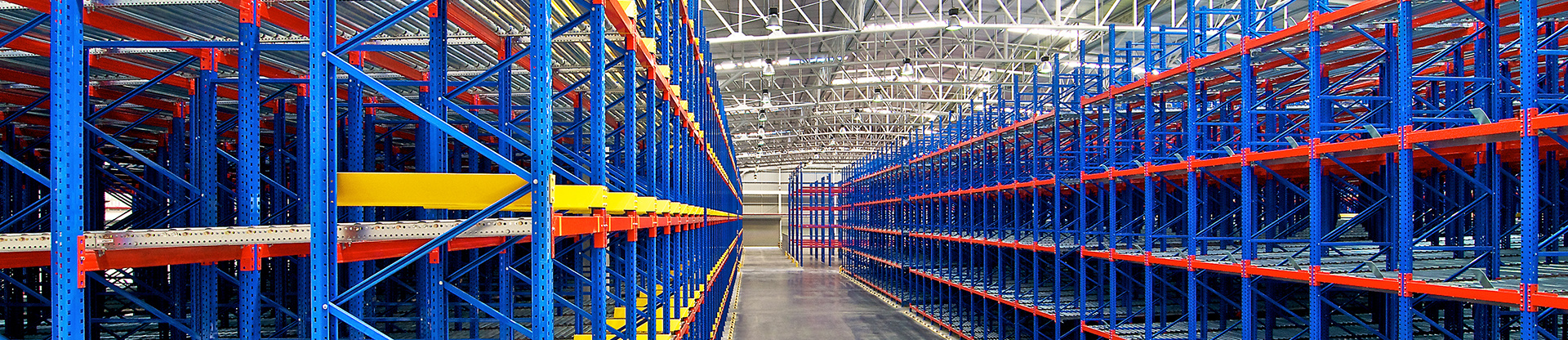
Image Source: unsplash
Drive in Rack VS Other High Density Storage Solutions: 2026 Performance Comparison
Actual test data from Kaku’s engineering team shows that different high-density storage systems deliver completely different ROI for distinct scenarios, the comparison table below offers clear reference for your decision making.
| Comparison Dimension | Standard Drive in Rack | Push Back Rack | Selective Pallet Rack |
|---|---|---|---|
| Relative Storage Density | 70% Higher Than Baseline | 50% Higher Than Baseline | Baseline 100% |
| Average Service Life | 15+ Years | 12+ Years | 20+ Years |
| Large Batch Homogeneous Bulk Goods | Medium Batch Multiple SKUs | High Frequency Access Mixed SKUs | |
| $85-$110 | $120-$160 | $60-$90 |
2026 survey from Material Handling Industry (MHI) shows that 62% of cold chain and FMCG enterprises prioritize drive in rack for bulk raw material storage due to its low initial investment and easy operation requirements.
Q: What Is The Main Limitation Of Drive in Rack Systems?
It is not suitable for scenarios that require strict FIFO access for multiple SKUs, as the LIFO access mode will require extra handling work if you need to pick goods stored deep inside the rack structure first.
Q: Can Drive in Rack Be Retrofitted On Existing Warehouse Floors?
Only when the floor bearing capacity meets the minimum requirement of 3t/㎡, otherwise you will need to conduct floor reinforcement before installation to avoid uneven sinking risks.
Top Practical Use Cases For Drive in Rack In 2026 Industrial Scenarios
From Kaku’s 200+ completed drive in rack project cases, the system delivers the highest ROI in 3 core industrial scenarios that focus on bulk goods storage.
Q: Is Drive in Rack Suitable For Cold Chain Warehouses?
Absolutely. 2026 data shows that cold chain warehouses that use drive in rack can cut refrigeration energy consumption by 35% due to reduced building footprint for the same storage capacity, which brings huge long-term cost savings.
Q: Can Drive in Rack Be Customized For Hazardous Material Storage?
Yes, Kaku provides surface anti-corrosion treatment and explosion-proof accessory upgrades for drive in rack systems used in chemical hazardous material warehouses to meet global safety standards.
Routine Maintenance Tips To Extend Drive in Rack Service Life
Actual 10-year tracking test data from Kaku’s after-sales team shows that regular maintenance reduces unexpected rack damage incidents by 92%, far lower than the average industry accident rate.
Q: How Often Should You Conduct Full Inspection For Your Drive in Rack System?
You need to arrange weekly visual check for obvious collision damages, and conduct a full professional load and structure inspection by certified engineers at least once every 12 months.
Q: What Are The Most Common Safety Hazards For Aged Drive in Racks?
The top 3 hazards are bent upright columns caused by forklift collision, loose anchor bolts, and corroded support rails in high humidity environments, all can be detected and fixed in time via regular checks.
Kaku Custom Drive in Rack Solutions: Unique Trusted Advantages
Nanjing Kaku Warehousing Equipment, with 15 years of professional production experience, holds ISO 9001 and CE certification, and delivers over 200 sets of drive in rack systems to global clients every year. All products come with 5-year full warranty and free on-site installation guidance to eliminate your operational worries.
Frequently Asked Questions
Q: What is the maximum height a standard drive in rack can reach?
A: Most commercial drive in rack systems can be customized from 3m to 10m height, to fit different warehouse clear height requirements while keeping structural stability.
Q: How much time does it take to install a 1000-pallet-position drive in rack system?
A: A professional 4-person engineering team can finish full installation and load test for 1000 pallet positions within 10 working days without affecting other warehouse operations.
Q: Can I add extra pallet positions on my existing old drive in rack system?
A: You need to arrange professional load assessment for the original structure first, only when the load capacity meets safety standards can you add extra layers or extended bays.
Q: What forklift types are compatible with standard drive in rack systems?
A: Most counterbalance forklifts, reach trucks and electric pallet stackers can operate normally inside drive in racks when the aisle clearance matches the equipment dimension.
This article was generated by AI and is for reference only.
Previous Page:
Related News

Mobile

Made in China
Nanjing Kaku Warehouse Equipment Co., Ltd.
Address: Room 1234, D2 North, Kechuang City, 32 Dazhou Road, Yuhuatai District, Nanjing
Tel/Whatsapp: +86-15251864628
Email: robert.w@kakuequipment.com
Contact: Robert Wang


